
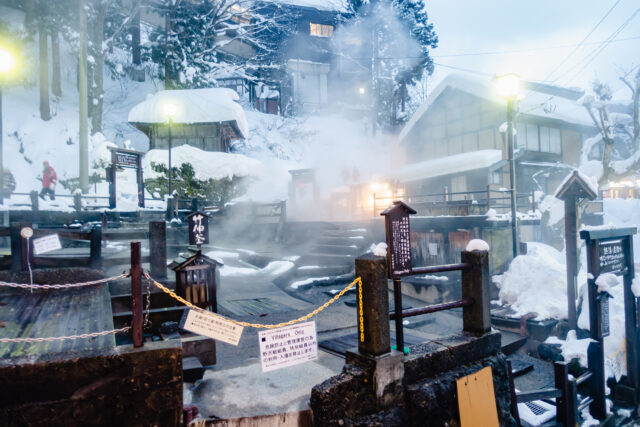
 Nozawa Onsen is a small village located in the north-eastern part of Nagano Prefecture. With a population of under 4,000 people, it is a rural area, great to get away from the crowds.
As the name implies, it is a hot spring village, a place where the Japanese come year-round to soak away aches and pains, and benefit from the mineral content.
Famous for its 13 free “Soto-Yu” bath houses scattered through out the township, the Nozawa Onsen Hot Spring reaches temperatures of up to 90 degrees, but is cools to about 41 degrees for the bath houses. Even then, the mineral waters of Nozawa seem to be very hot, especially if coming in from the outside snow in winter.
Nozawa Onsen Ski Resort sits to the East of the main village area, and has 2 main base areas at Nagasaka (which has a large car park, and access for day trippers), and Hikage, which is accessed from the village via the “Yu-Road” escalator. Both base areas offer gondola access to upper parts of the resort.
The roads up to the resort are quite steep and care is needed if walking. However, most roads in Nozawa Onsen utilize the hot spring water to keep them free of ice and snow.
Compared to Hakuba, Nozawa Onsen is quite compact and walking around the center is easy.
Accommodation in Nozawa Onsen is generally smaller than most international ski resorts, with main Japanese Style Inns. There is more and more self-contained accommodation being developed.
Nightlife in Nozawa Onsen is also growing, with new places opening each season.
Access to Nozawa Onsen is quite easy and for most, the arrival point will be the “Chuo Terminal” located right in the center of town. There are also ski resorts at Togura , and Madarao Kogen, which can make for good day trips from Nozawa Onsen.
 Shuttle Bus
From December 15 until March 31, a free shuttle bus operates on one route through the middle of Nozawa Onsen, running back and forth between the Nozawa Grand Hotel and the Nagasaka Gondola. The full route takes about 20 minutes depending on the road conditions. Bus Stops are Shinyu (Grand Hotel), Asahiya, Shinden , Nakao, Maesaka Entrance, # 2 Car Park, Sparina, and the Nagasaka Gondola. Almost all accommodation properties are within walking distance of one of these bus stops.
Please note that there is no night shuttle bus in Nozawa Onsen, as the village area is small and it is easy to walk around.
Taxi
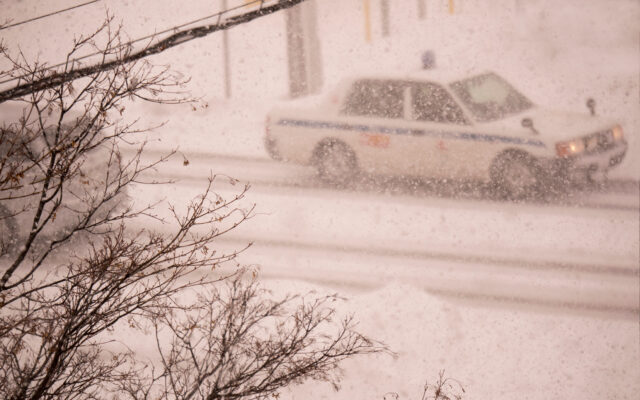
There are 2 Taxi companies in town (Nozawa Kanko Taxi & Nozawa Onsen Kotsu) . The number of taxis is very limited, with Togura Taxi Company, based 15 minutes outside of Nozawa Onsen providing some back up services.
If using a taxi on your departure it is best to call and book well in advance. Taxis are difficult to find from 9-10am, as demand is high during this peak time.
Taxi drivers only have a very basic level on English, and communication can be difficult. It is often easier to write down the name of the destination in Japanese and give it to the driver.
Credit cards are not accepted, so have cash on hand to pay the fare.
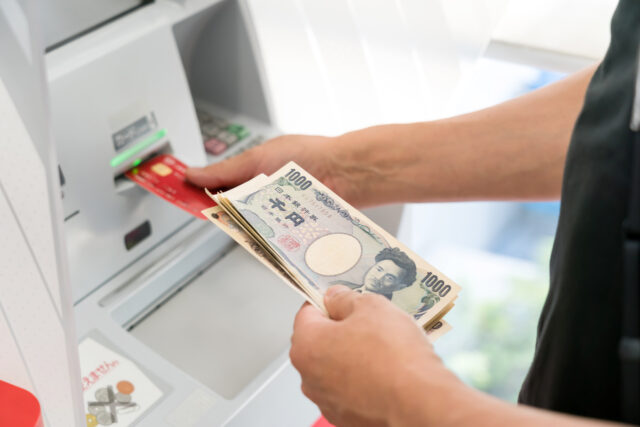 Nozawa Onsen only has limited ATM access, and quite strict limits on withdrawal amounts, and operating hours are limited.
82 Bank has an international ATM located right across the road from Chuo Bus Terminal, next to the Tourism Office. Operational hours are 8:00am – 8:00pm. Beware that it may be closed on public holidays. Withdrawal amounts are generally limited to 40,000yen per day.
The Nozawa Onsen Post Office also operates an International ATM. It is located along the narrow road that runs just up the hill from Chuo Bus Terminal. At the traffic signal at Chuo Bus terminal, walk up the uphill slope and turn right at the T junction. The post off is located about 80meters down on the left-hand side. General operation hours are 9:00am – 6:00pm. In general, withdrawals are limited to 50,000yen, but may vary by card provider.
As Nozawa Onsen has not bank offices, the only place to exchange money is at the ticket counter at the Nagasaka Gondola. Currencies are USD, AUD, EUR, SGD, CNY, and TWD. Opening hours are 8:30am – 5:00pm. Please note that this area can get very busy at times during the day, and if you need to change currency it is best to do it at off peak times.
 On the main street of Nozawa Onsen there are many café, bars, souvenir shops, restaurants and hot springs. Off the main street there are many small, narrow lanes that are great for strolling around. Many shops do not accept credit cards, so extra cash is recommended. Free Wi-fi is still limited.
Hot Springs
Many people come to Nozawa Onsen just for the hot springs. Many accommodation properties have their own hot spring baths, but Nozawa Onsen is particularly famous for its 13 public baths dotted throughout the town. These are open from 6:00am – 11:00pm and are free of charge. They can get quite crowded at times, especially just after the slopes have closed. As always please be respectful of local customs, and avoid loud, boisterous behavior.
There are also 2 free foot hot springs, which are great for those who are a little bit shy of getting naked with strangers.
Free Wi-fi
The 2 main areas of free wi-fi are at the Nagasaka Gondola Station, and at the Tourism Association across the road from Chuo Bus Terminal.
Laundromats
There is a laundromat about 400m south of Chuo Bus Terminal long the main road into and out of town. It is open daily from 6:00am – 11:00pm.
Convenience Stores
There is one store in tucked away in the back streets up the road from Kanamori Sports. It is a Yamazaki Y Shop, which a smaller Japanese chain. Opening hours are 7:30am – 10:00pm. You can get basic groceries, alcohol, sandwiches etc here.
There are also several liquor stores in the village selling a full range of beer, wine and spirits.
Supermarkets
Nozawa Onsen does not have any major supermarkets. For major supermarkets you need to head back to Iiyama City along route 117. Iiyama has several large supermarket chains and also a number of 24/7 convenience stores. Drive time is 20-25 minutes from Nozawa Onsen.
 There is a 24 hour police presence in Nozawa Onsen. The Police Box is located about 20 meters down the hill from the traffic lights in front of Chuo Bus Terminal.
There are also fire and paramedic services stationed in Nozawa Onsen. In general the response time is within 10 minutes to central Nozawa, and 15 minutes to the Ski Resort.
There are 2 clinics and 1 dentist based in Nozawa Onsen. These are general practices, dealing with minor ailments and sprains. Anything serious will be referred directly to a larger general hospital. As with most places in Nozawa Onsen, the clinics are located within walking distance of Chuo Terminal. There are also a couple of pharmacies in Nozawa Onsen that will have over the counter medication as well and being able to fill prescriptions.
For serious injuries, victims will be taken directly from the scene to a large general hospital. The closest general hospital to Nozawa Onsen is the Iiyama Red Cross Hospital.
By ambulance, this takes about 20 minutes. During the daytime, they generally have English speaking staff on duty, but after hours it is generally Japanese only.
If Iiyama Red Cross is unable to accept an incoming case, it will probably be referred to Hokushin General Hospital, located 35 minutes from Nozawa Onsen, or to one of the several emergency hospitals in Nagano City (about 50 minutes).
It is important to note that in medical emergencies, the paramedics are constantly talking to hospital staff, and if the hospital staff feel that the needs of the victim are better served elsewhere, they will reroute the ambulance. Generally, this happens so the victims’ initial assessment will be carried out by a specialist.
While any emergency is a stressful time, it is important you allow medical staff to get on with their jobs and treat what they see in front of them. Language will be a barrier, but they will give you information as best they can. Japan has very high medical standards, and you need to trust them.
If an emergency arises and an ambulance is called, then someone should accompany the victim in the vehicle. Preferably someone who has knowledge of the victim’s medical history, especially allergies. The ambulance staff will probably ask for a person to accompany them, and then also warn about trying to follow the ambulance in a car (don’t). As the ambulance leaves the scene, they will not be 100% sure where they are headed.
The area is also covered by a rescue helicopter for lift threatening situations. The helicopter generally transfers patients to Hokushin General Hospital heliport, an 8 minute flight, or if not there, then on to Nagano Red Cross hospital (15 minutes).